Cheyenne II Bermuda Grass Seed - Certified
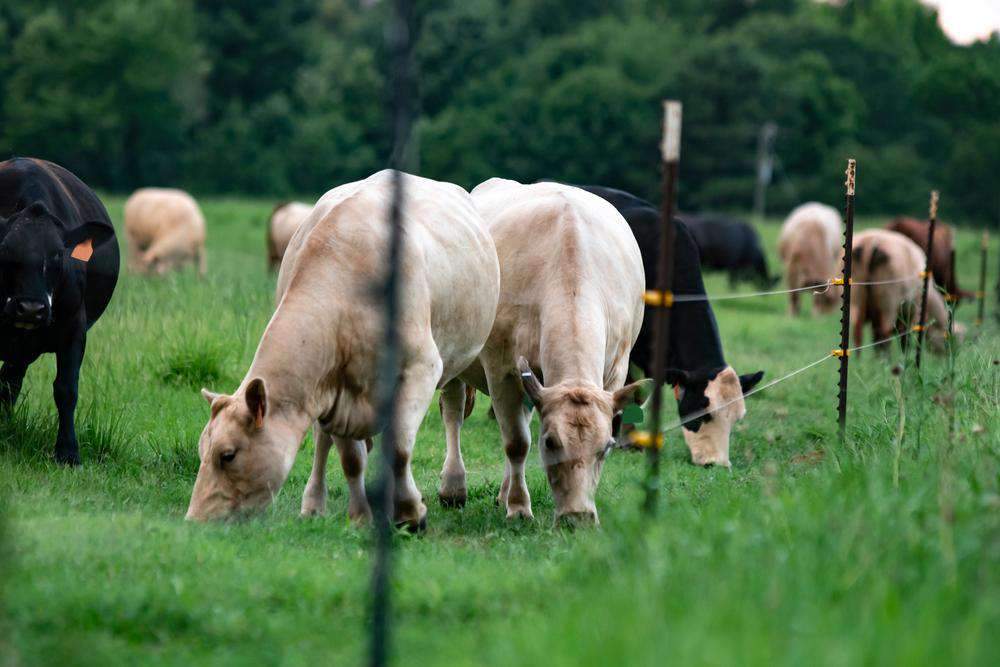
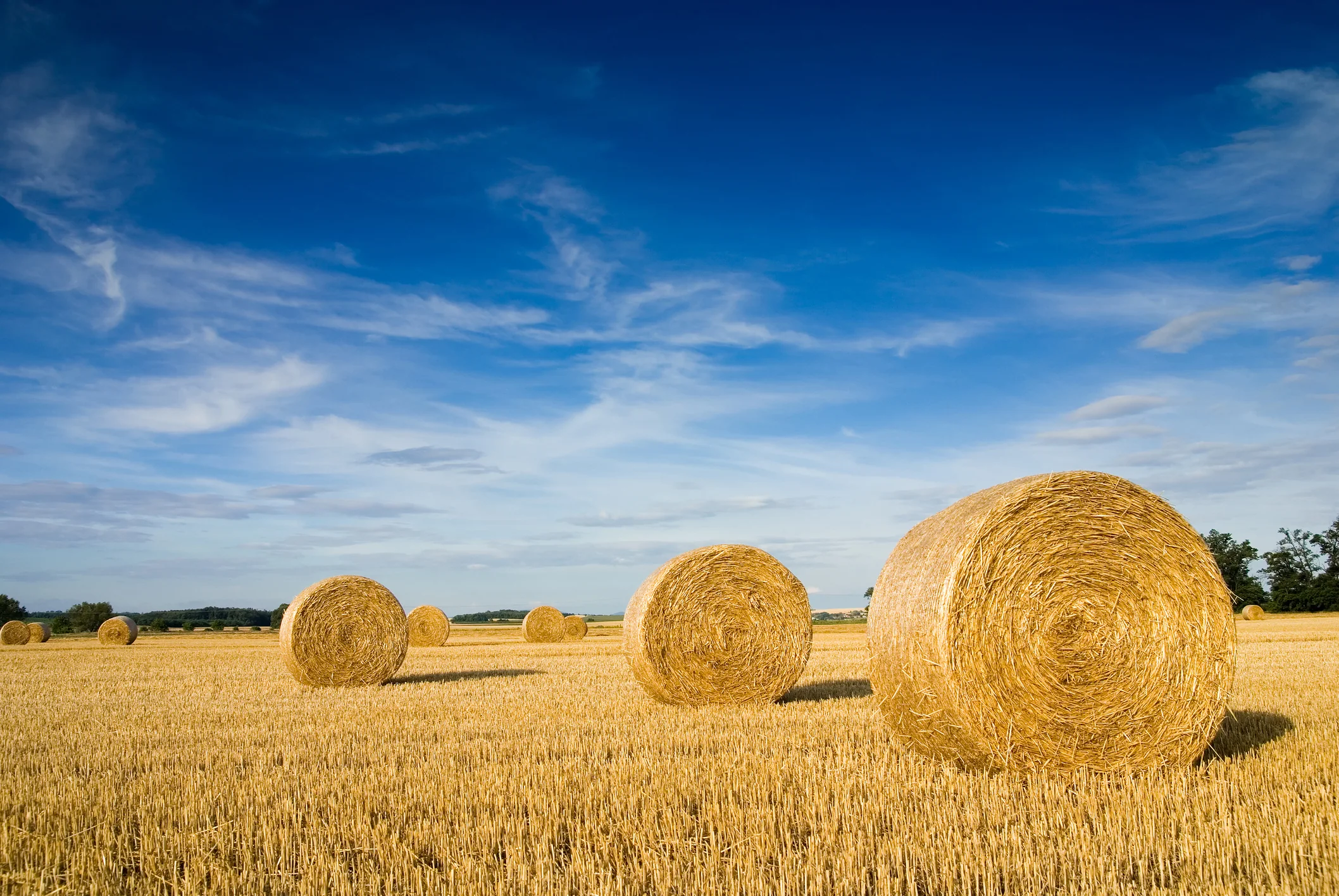
Cheyenne II Bermuda Grass has gathered Pennington's "Yield Up" branding because of its sizable hay yields, outstanding palatability, and high leaf-to-stem ratio. These traits, along with its tolerances, make it an optimal Bermuda pasture choice.~~~
Cheyenne II Bermuda Grass has gathered Pennington's "Yield Up" branding because of its sizable hay yields, outstanding palatability, and high leaf-to-stem ratio. These traits, along with its tolerances, make it an optimal Bermuda pasture choice.
Product Information
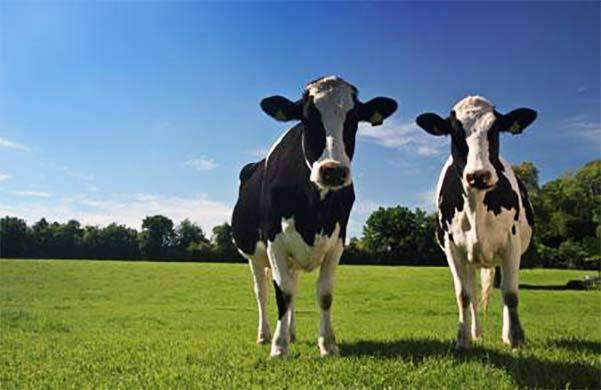
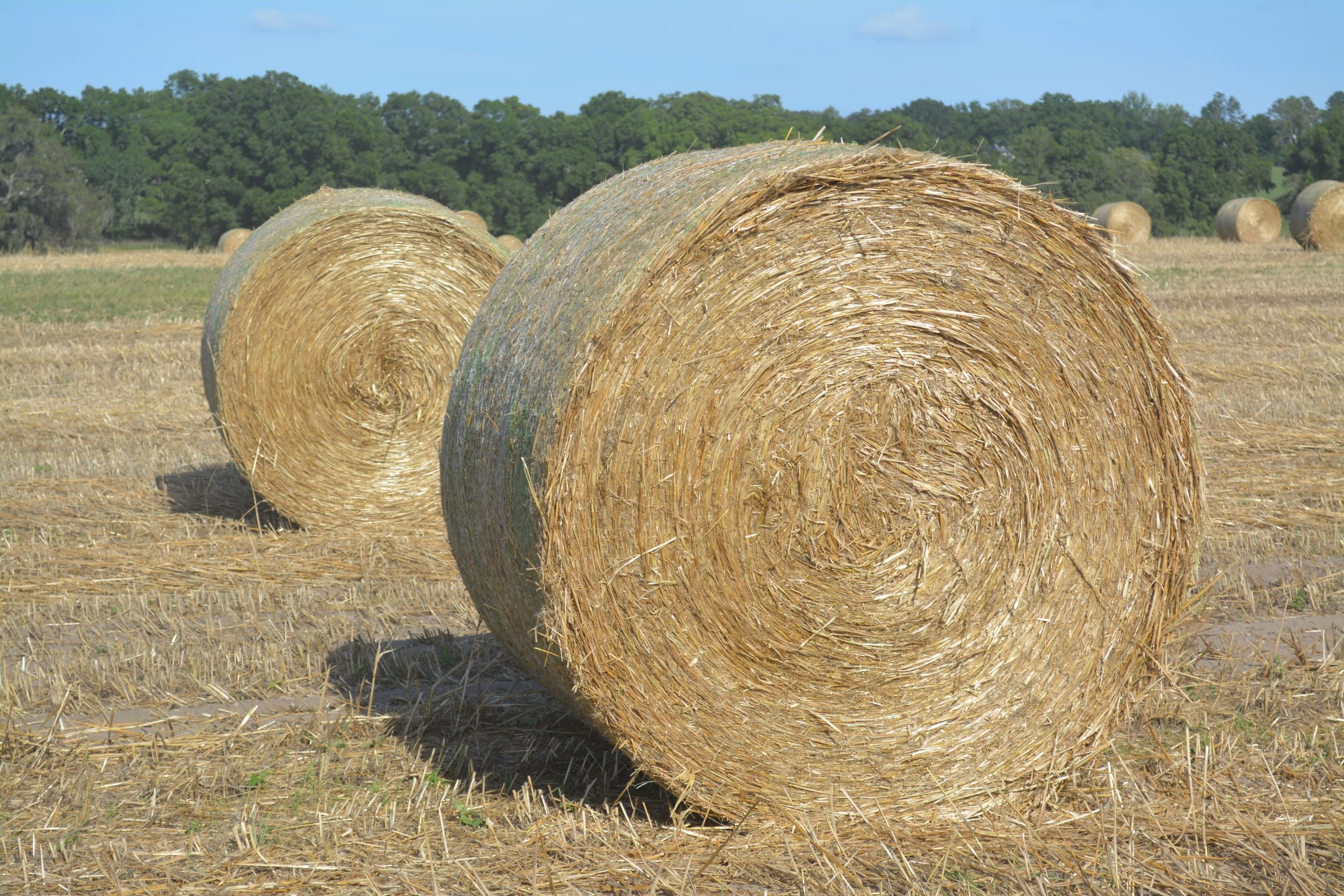
- Application or Use: Pasture, Cattle Grazing, Livestock Forage, Cover Crop, Hay Production
- Germination Time: 7 - 14 days, under optimal conditions
- Growing Locations: Warm Season & Transition Zone
- Height: Grazing or Hay Cutting, 8 - 10 inches
- Sunlight Requirements: 8+ hours, full sun for best results
- Advantages: High yielding, superior palatability, and abundant leafiness
- When to Plant: Recommended planting time is spring and summer when nighttime temperatures are consistently 65+ degrees and 3 months prior to first frost.
Product Details
- Produces a more palatable leafy forage and hay
- Cold and heat tolerant
- Easy to establish from seed - drill or broadcast
- Economical alternative to sprigging
- Greater flexibility in your planting schedule
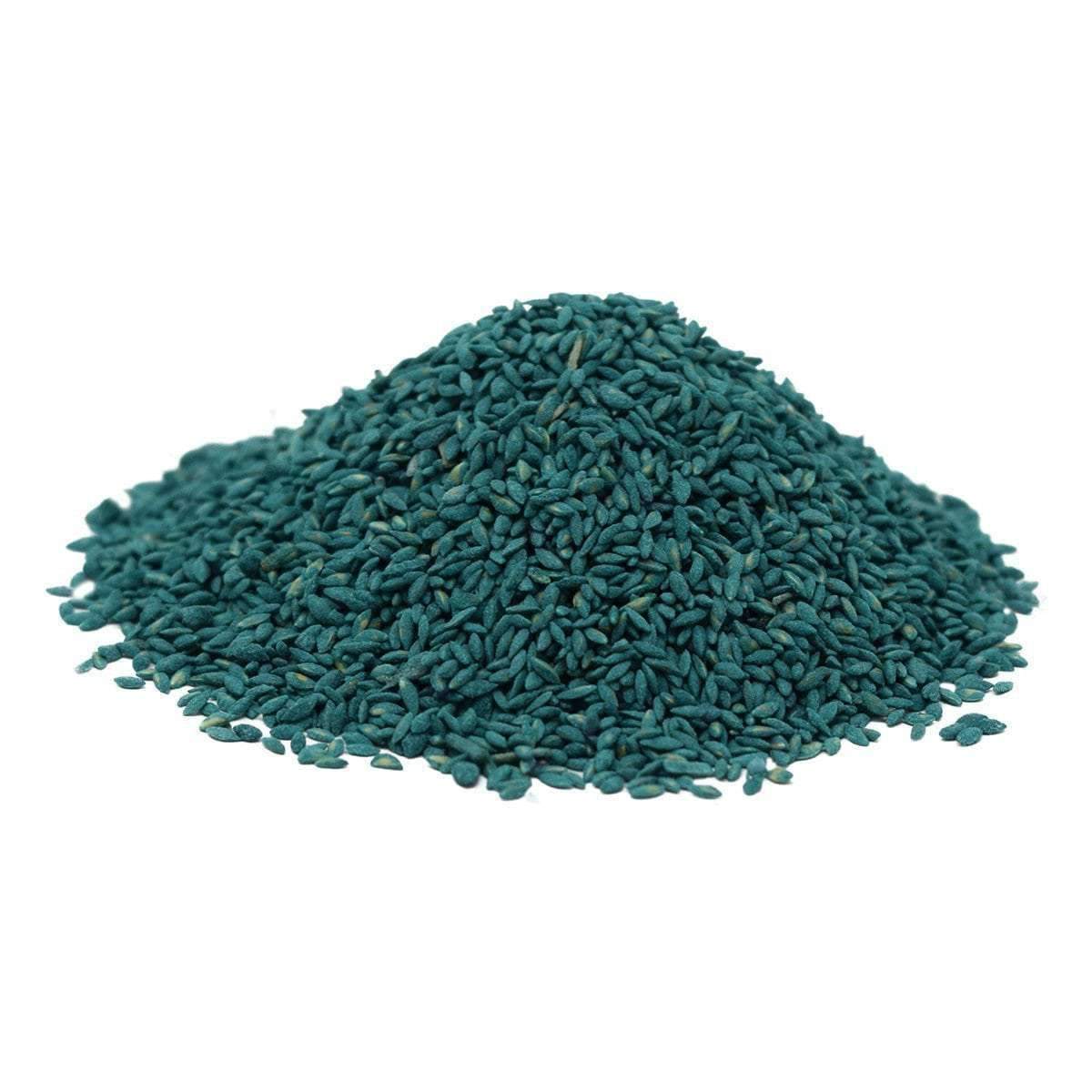
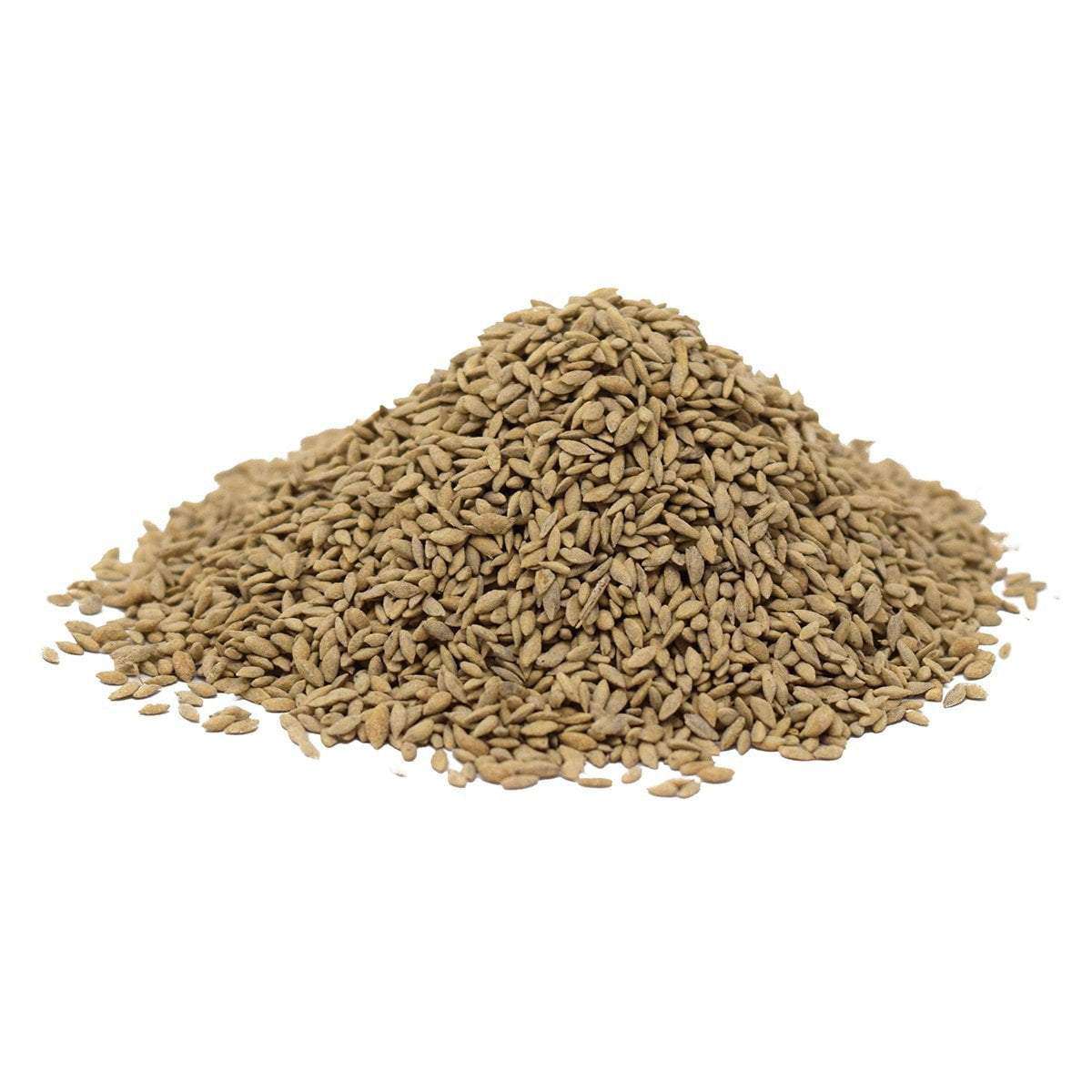
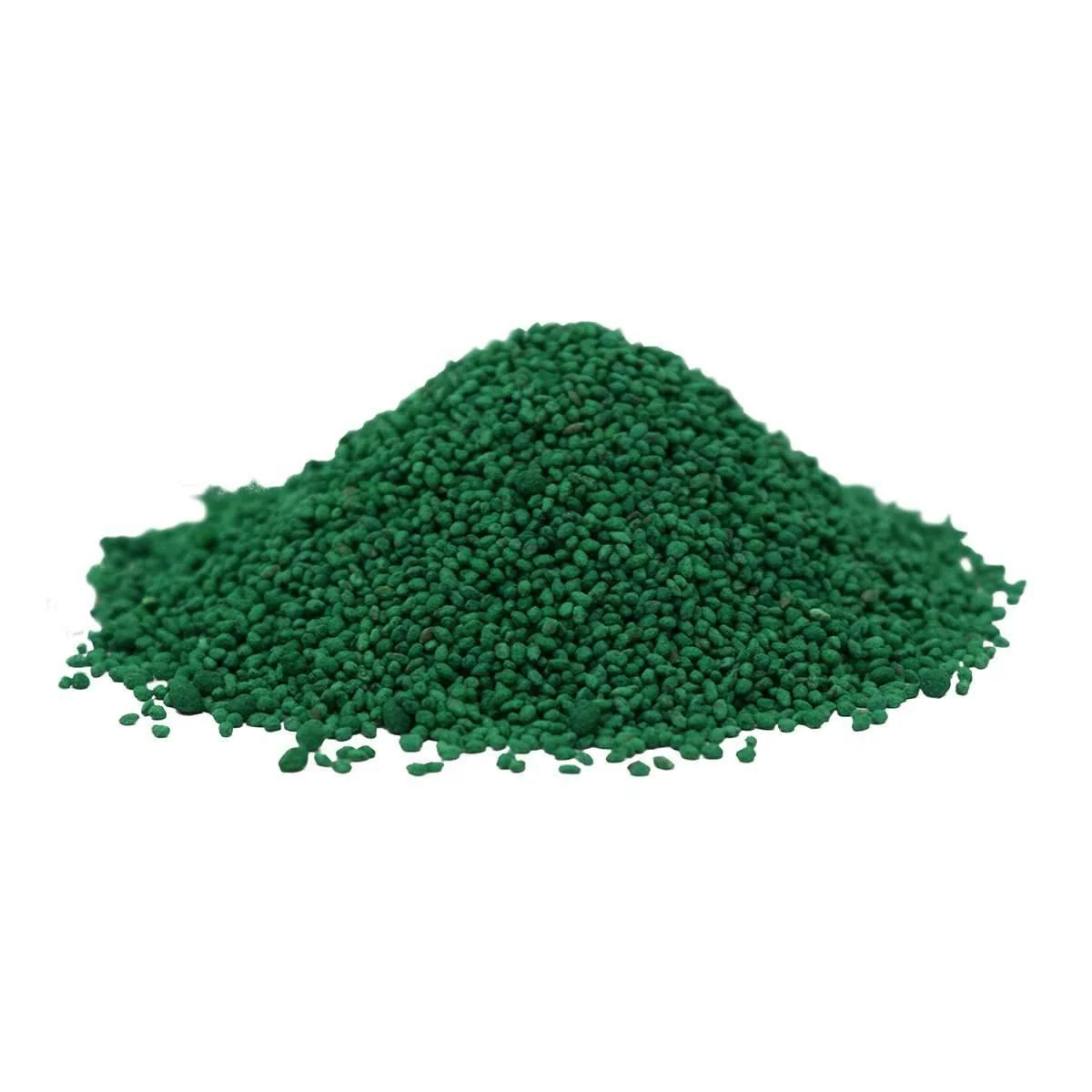
- Coated & Hulled
Product Information
Cheyenne II Bermuda is a five clone synthetic variety developed by Judy Brede for Pennington Seed, Inc. Cheyenne II bermuda grass seed originates from plants selected for their cold tolerance and vigorous growth habit. Cheyenne bermuda establishes rapidly and provides cover in 45 to 60 days under desirable growing conditions. Cheyenne Bermuda grass was one of the highest yielding varieties in a test of forage bermudagrass varieties conducted in Athens and Calhoun, Georgia, producing over 7.5 to 8 tons per acre of hay. This rate of production was comparable to sprig-planted Russell bermudagrass. Cheyenne Bermuda is as cold hardy as Coastal bermudagrass and more cold tolerant than Tifton 85 or Tifton 44. Cheyenne may be planted in the Transition Zone states such as Arkansas, Kansas, Missouri, Oklahoma and Tennessee as well as the traditional bermudagrass growing areas of the Southern United States.
Cheyenne Bermuda should be planted in Late spring through early summer when soil temperatures are 65 degrees Fahrenheit or above. Plow and cultipack to develop a firm seedbed. Proper firmness is indicated by a heel print no more than 1/8 inch deep in the soil.
Due to varying soil conditions and types it is necessary to conduct a soil test each year in order to supply the proper nutrients. Apply 20 - 30 lbs. of nitrogen at planting time. When the new plants start to run, apply 50 - 60 lbs. of nitrogen. After the stand is established, apply 70 - 100 lbs. of nitrogen after each cutting.
If grazed, apply up to 150 lbs. of nitrogen per year in split applications throughout the summer. Last fertilizer application each year should be done 4 to 6 weeks before a killing frost to increase cold tolerance. Delay grazing until forage is 8" to 10" tall. Do not graze or clip for hay shorter than 2". Rotate animals more often during periods of drought stress.
Cheyenne is a Yield Up brand because of its tremendous hay yields, outstanding palatability and excellent leaf to stem ratio. Cheyenne is a certified variety that is guaranteed not to revert back to common. Cheyenne seed gives you greater flexibility in your planting schedule and approximately 300 times more plants per square foot than sprigs.
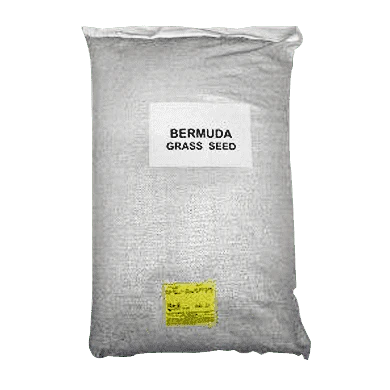
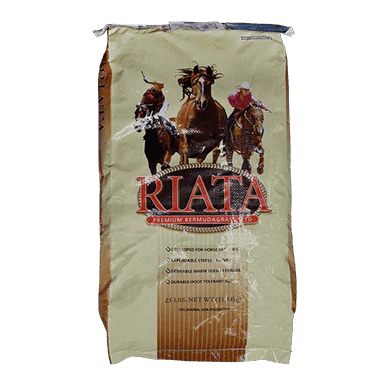
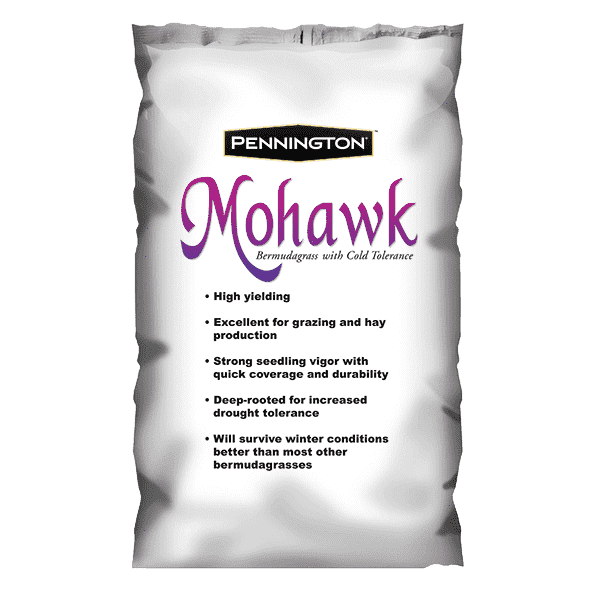
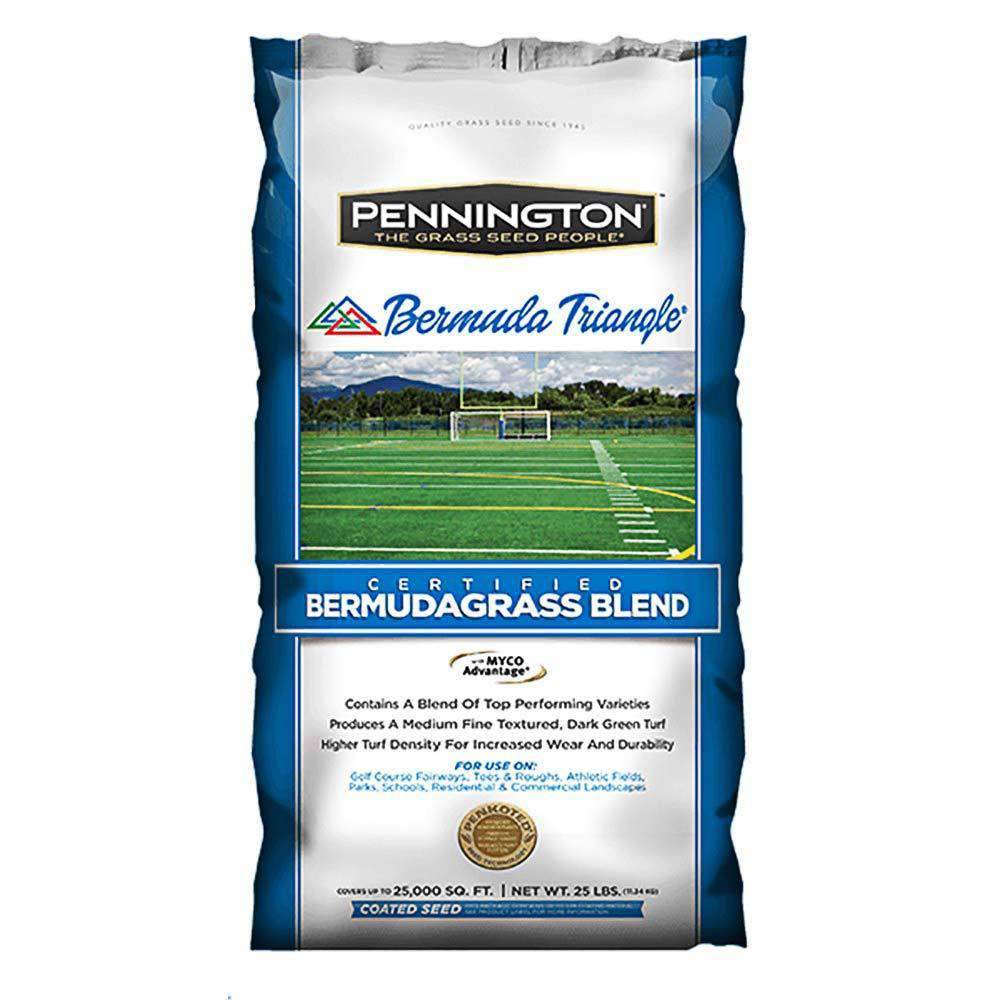
*Product packaging may appear different than what is pictured. ~~~
Planting Guide:
Management Guide:
Original: $289.99
-65%$289.99
$101.50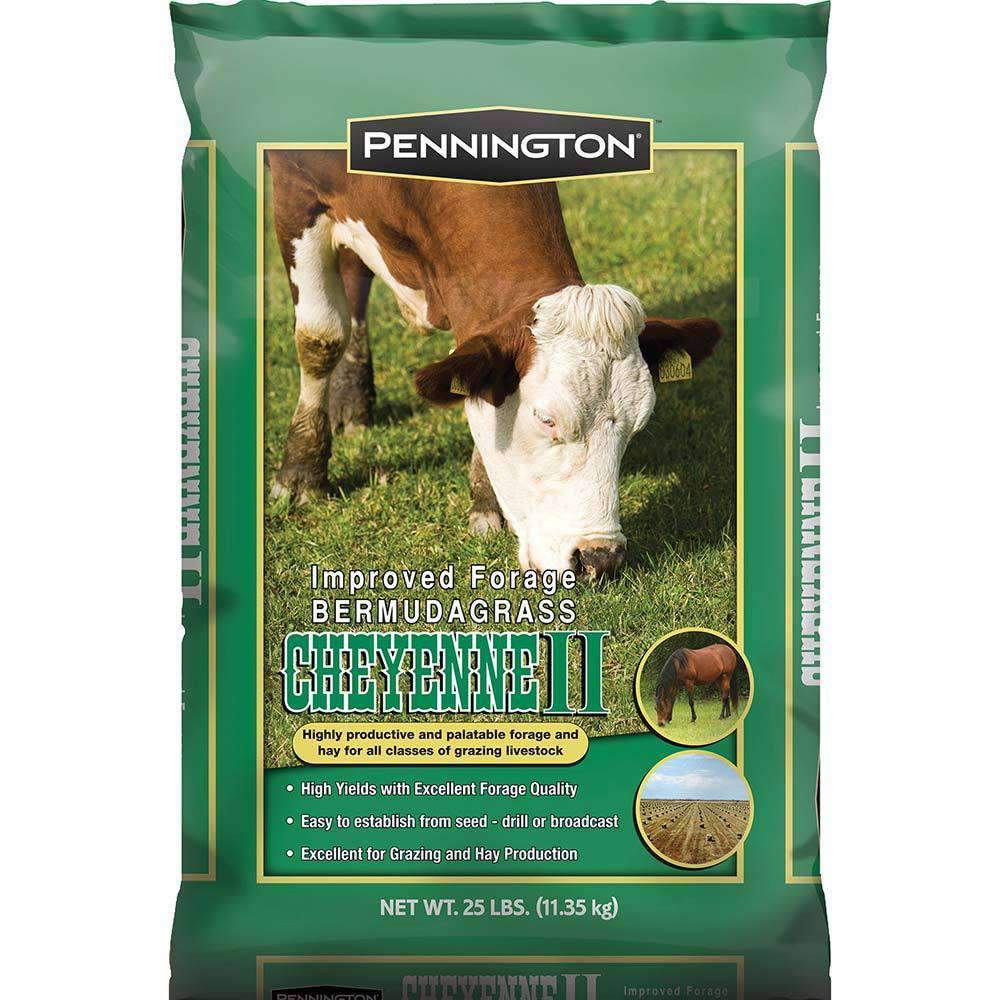
Description
Cheyenne II Bermuda Grass has gathered Pennington's "Yield Up" branding because of its sizable hay yields, outstanding palatability, and high leaf-to-stem ratio. These traits, along with its tolerances, make it an optimal Bermuda pasture choice.~~~
Cheyenne II Bermuda Grass has gathered Pennington's "Yield Up" branding because of its sizable hay yields, outstanding palatability, and high leaf-to-stem ratio. These traits, along with its tolerances, make it an optimal Bermuda pasture choice.
Product Information
- Application or Use: Pasture, Cattle Grazing, Livestock Forage, Cover Crop, Hay Production
- Germination Time: 7 - 14 days, under optimal conditions
- Growing Locations: Warm Season & Transition Zone
- Height: Grazing or Hay Cutting, 8 - 10 inches
- Sunlight Requirements: 8+ hours, full sun for best results
- Advantages: High yielding, superior palatability, and abundant leafiness
- When to Plant: Recommended planting time is spring and summer when nighttime temperatures are consistently 65+ degrees and 3 months prior to first frost.
Product Details
- Produces a more palatable leafy forage and hay
- Cold and heat tolerant
- Easy to establish from seed - drill or broadcast
- Economical alternative to sprigging
- Greater flexibility in your planting schedule
- Coated & Hulled
Product Information
Cheyenne II Bermuda is a five clone synthetic variety developed by Judy Brede for Pennington Seed, Inc. Cheyenne II bermuda grass seed originates from plants selected for their cold tolerance and vigorous growth habit. Cheyenne bermuda establishes rapidly and provides cover in 45 to 60 days under desirable growing conditions. Cheyenne Bermuda grass was one of the highest yielding varieties in a test of forage bermudagrass varieties conducted in Athens and Calhoun, Georgia, producing over 7.5 to 8 tons per acre of hay. This rate of production was comparable to sprig-planted Russell bermudagrass. Cheyenne Bermuda is as cold hardy as Coastal bermudagrass and more cold tolerant than Tifton 85 or Tifton 44. Cheyenne may be planted in the Transition Zone states such as Arkansas, Kansas, Missouri, Oklahoma and Tennessee as well as the traditional bermudagrass growing areas of the Southern United States.
Cheyenne Bermuda should be planted in Late spring through early summer when soil temperatures are 65 degrees Fahrenheit or above. Plow and cultipack to develop a firm seedbed. Proper firmness is indicated by a heel print no more than 1/8 inch deep in the soil.
Due to varying soil conditions and types it is necessary to conduct a soil test each year in order to supply the proper nutrients. Apply 20 - 30 lbs. of nitrogen at planting time. When the new plants start to run, apply 50 - 60 lbs. of nitrogen. After the stand is established, apply 70 - 100 lbs. of nitrogen after each cutting.
If grazed, apply up to 150 lbs. of nitrogen per year in split applications throughout the summer. Last fertilizer application each year should be done 4 to 6 weeks before a killing frost to increase cold tolerance. Delay grazing until forage is 8" to 10" tall. Do not graze or clip for hay shorter than 2". Rotate animals more often during periods of drought stress.
Cheyenne is a Yield Up brand because of its tremendous hay yields, outstanding palatability and excellent leaf to stem ratio. Cheyenne is a certified variety that is guaranteed not to revert back to common. Cheyenne seed gives you greater flexibility in your planting schedule and approximately 300 times more plants per square foot than sprigs.
*Product packaging may appear different than what is pictured. ~~~
Planting Guide:
Management Guide: